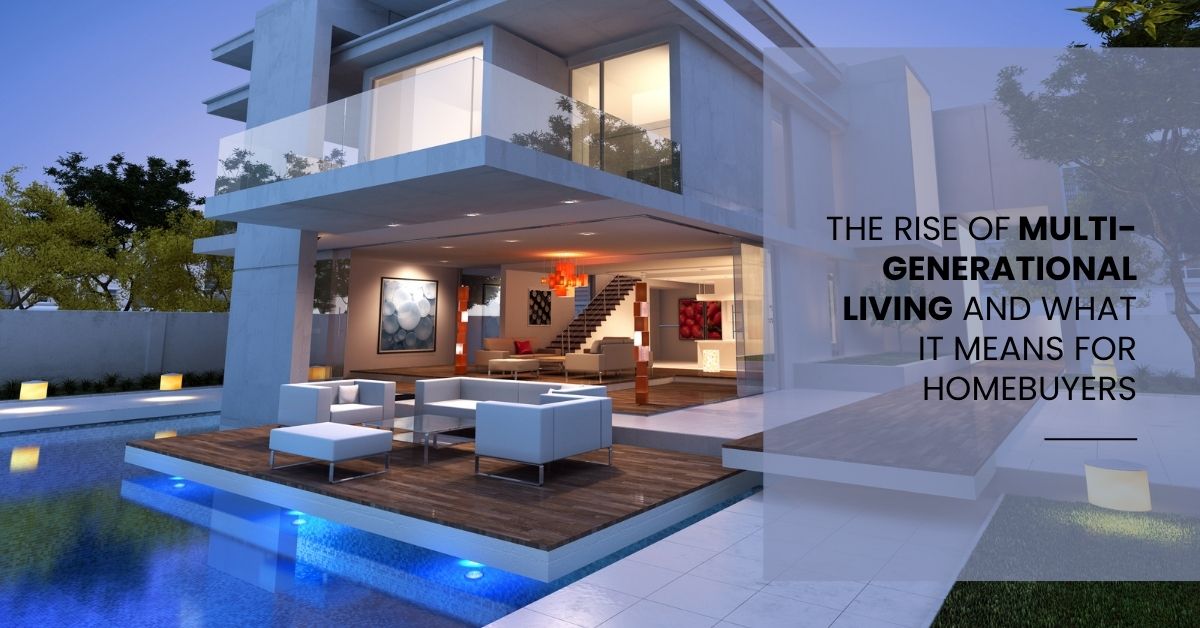
The Rise of Multi-Generational Living and What It Means for Homebuyers
In recent years, multi-generational living has become one of the fastest-growing housing trends in the United States. More families are choosing to share a home with parents, adult children, or extended relatives for a variety of financial, practical, and lifestyle reasons.
For homebuyers, this shift is changing what people look for when purchasing a property. From flexible floor plans to private living spaces, homes that accommodate multiple generations are becoming increasingly desirable.
Understanding this trend can help buyers make smarter choices when searching for a home that fits both current and future needs.
What Is Multi-Generational Living?
Multi-generational living refers to two or more adult generations living under the same roof. This can include parents living with adult children, grandparents moving in with their families, or even siblings sharing a home long-term.
While this living arrangement has always existed in some form, it has become more common in recent years due to several major factors affecting today’s housing market.
Families are increasingly viewing shared housing as a practical way to combine resources, reduce expenses, and support one another.
Why More Families Are Choosing Multi-Generational Homes
Several trends have contributed to the rise of multi-generational households.
Rising Housing Costs
With home prices and rental rates increasing in many areas, combining households can make homeownership more financially manageable. Sharing mortgage payments, utilities, and maintenance costs allows families to reduce individual financial pressure.
Caring for Aging Parents
As parents age, many families prefer to keep loved ones close rather than relying on assisted living or long-distance care. Multi-generational homes allow families to provide support while maintaining independence.
Adult Children Moving Back Home
In some cases, adult children return home after college or during career transitions. Living together can offer a temporary financial cushion while younger adults work toward long-term financial stability.
Childcare Support
Families with young children often benefit from having grandparents nearby to help with childcare. This arrangement can reduce childcare costs while strengthening family relationships.
What Homebuyers Should Look For
Not every home is well-suited for multi-generational living. Buyers interested in this type of arrangement should focus on properties that offer flexibility, privacy, and functional space.
Some features that make multi-generational homes more practical include:
- Separate entrances or guest suites
- Finished basements or in-law apartments
- Homes with multiple living areas
- Bedrooms and bathrooms on the main level
- Larger kitchens and shared gathering spaces
These features help maintain comfort and privacy while still allowing families to live together under one roof.
The Importance of Privacy and Independence
One of the biggest challenges of multi-generational living is maintaining a balance between shared living and personal space.
Homes that provide separate living areas, private bathrooms, or small kitchenettes can make a significant difference in maintaining independence for each generation.
When everyone has their own space to relax and recharge, the arrangement tends to work much more smoothly.
Long-Term Value of Multi-Generational Homes
Homes designed to accommodate multiple generations can also offer strong long-term value.
Properties with flexible layouts often appeal to a wider range of buyers, including large families, homeowners who want rental income opportunities, or those planning for future caregiving needs.
As demographics continue to shift and housing affordability remains a concern, homes that support multi-generational living may become even more desirable in the years ahead.
Final Thoughts
Multi-generational living is no longer a niche lifestyle choice—it is becoming a practical solution for many modern families.
For homebuyers, considering how a home can accommodate changing family needs can be an important part of the decision-making process. A property that works well for multiple generations today may also provide flexibility and value well into the future.
Working with experienced real estate professionals can help buyers identify properties that offer the space, layout, and features needed to support this growing housing trend.